IEEE CG&A Columns
For almost 10 years I wrote a regular column called Andrew Glassner’s Notebook for IEEE Computer Graphics & Applications. In each column I wrote about something that I found interesting that was related to computer graphics. Sometimes I knew about the topic, but often the column gave me the impetus to learn about something that I thought would be cool. Remarkably, they gave me complete freedom to choose my topics.
The IEEE has generously allowed me to provide PDFs of the columns here – just click on any of them to read it.
I later updated and revised many of these columns in three books in the Andrew Glassner’s Notebook series, which you can see here.

Hey Buddy, How Do I Get Into the Electronic Theater?
Joint column with Jim Blinn about getting accepted into the SIGGRAPH “flim show”
Situation Normal
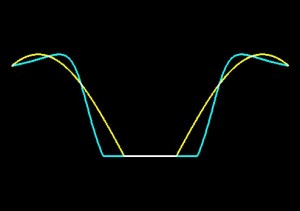
The surfaces really implied by Grouarud and Phong shading are probably not what you modeled!

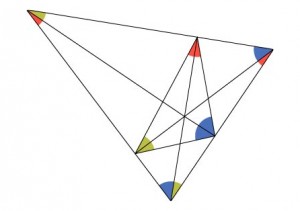
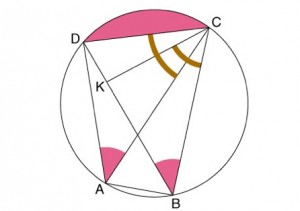
Upon Reflection
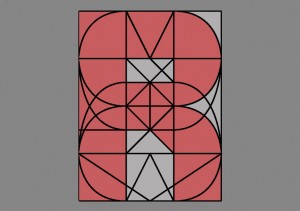
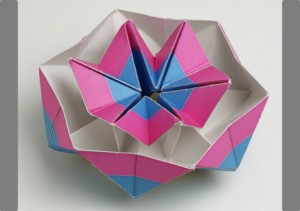
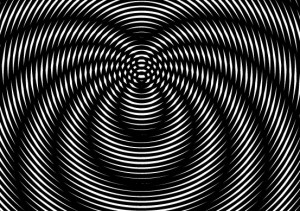
Cool geometry with mirrors, triangles, reflections, and the neat idea of a “light triangle”
Aperiodic Tiling, Part 1
How to tile your kitchen floor in a way that is guaranteed to never, ever repeat!
Aperiodic Tiling, Part 2
How to use Penrose tiles and Gummelt decagons to create never-repeating patterns
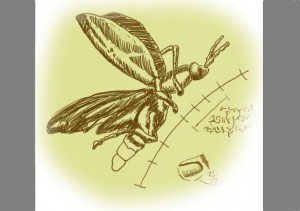
The Triangular Manuscripts
Mysterious documents from the long past that seem to anticipate computer graphics
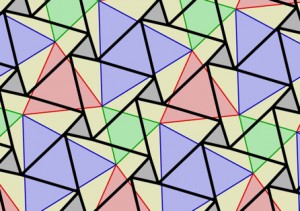
Fourier Polygons
Amazing but true, the 2D Fourier transform is merely a sum of scaled regular and star polygons
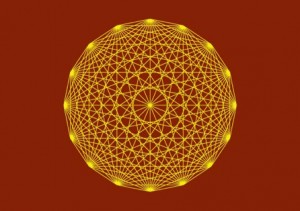
O Say, Can You See?
Different ways of setting up your windshield washers can lead to very different views of the world
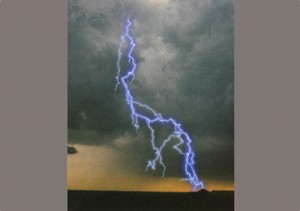
Synthetic Thunder and Lightning, Part 1
The physics of lightning, and how to make your own physically-based lightning
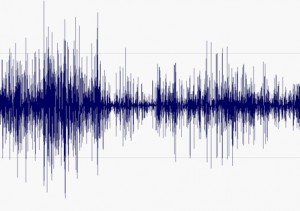
Synthetic Thunder and Lightning, Part 2
Starting with lightning from Part 1, generate the actual thunder it would produce
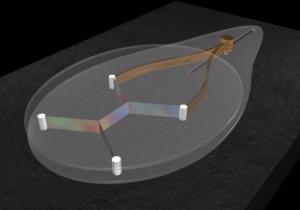
Soap Bubbles, Part 1
The chemistry and physics of soap bubbles, and writing your own soap-film shader
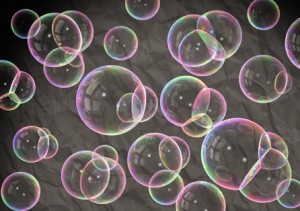
Soap Bubbles, Part 2
The geometry of soap bubble clusters and the physics behind their stunning colors


Tricks of the Trade
Useful graphics tricks such as smooth 2D interpolation and a nice family of easing curves
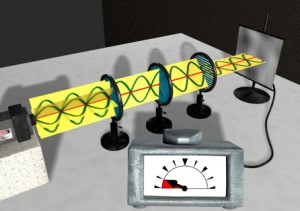
Quantum Computing, Part 1
The basics of the fascinating and surprising discipline of quantum computing
Pop-Up Card Design, Part 1
How to write a program to help you design real pop-up cards to make and share
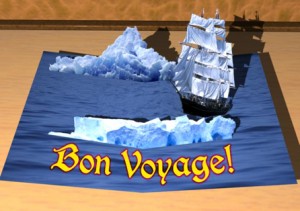
Pop-Up Card Design, Part 2
Lots of the little things that make a Pop-Up Card Design Assistant practical
Digital Weaving, Part 1
The basics of wearving patterns, and The Weaving Equation that brings them all together
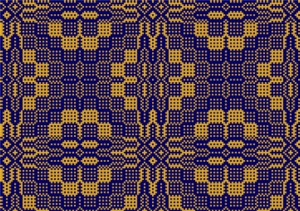
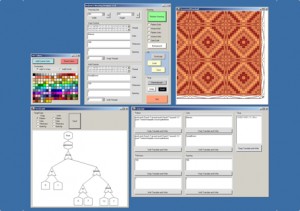
Digital Weaving, Part 2
Creating tie-ups with Andrew’s Weaving Language, and writing a C# parser for the language
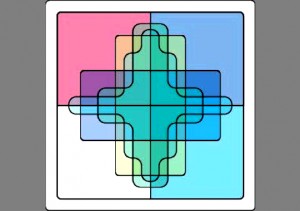
Venn and Now
Three-circle Venn diagrams are famous. Here are Venn diagrams for four, five, and more variables
Everyday Computer Graphics
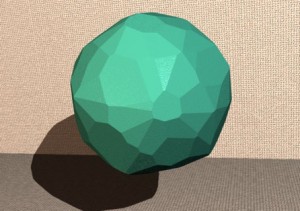
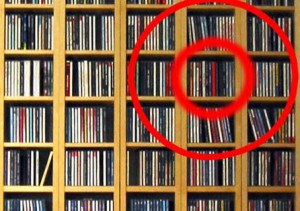
Ideas for using graphics and new interfaces to make lots of little everyday tasks easier.
Digital Cubism, Part 2
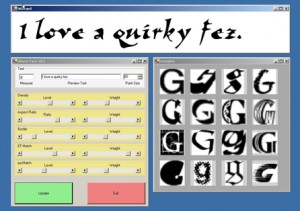
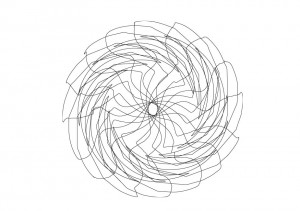
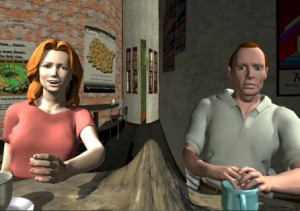
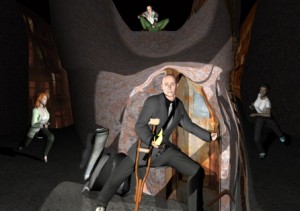
The math behind the multicamera collage (it’s basically smooth 2D point interpolation)