Non-Fiction

I love to write and illustrate!

I particularly enjoy writing about topics I love, so that other people can learn about them
and, I hope, come to love them as much as I do!

Here are books I’ve written or edited. Click on any cover to learn more, or to get a link to buy the book.
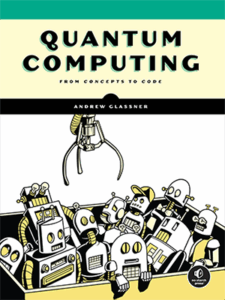
Quantum Computing:
From Concepts to Code

Quantum computing is a radically new way to think about algorithms and data. This friendly and complete book takes you from the basics to writing your own quantum programs.
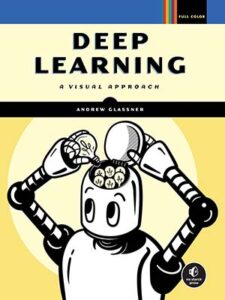
Deep Learning:
A Visual Approach

A complete and accessible guide for programmers, scientists, engineers, educators, artists, and anyone else who wants to understand and use deep learning. This full-color book offers clear explanations, lots of great illustrations, and no math.
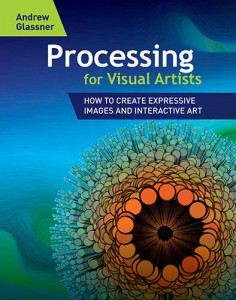
Processing
for Visual Artists

Processing is a free computer language designed for artists and graphic designers. This book is for artists and other visual thinkers who want to create expressive, meaningful images, animations, and interactive experiences.

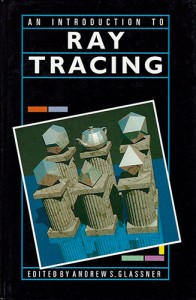
An Introduction to
Ray Tracing

Ray tracing is an image synthesis technique that is simple, fast, and fun to use. This classic co-authored book covers a lot of the fundamental ideas that are useful to those starting out in the field, or are thinking of writing their own ray tracer.

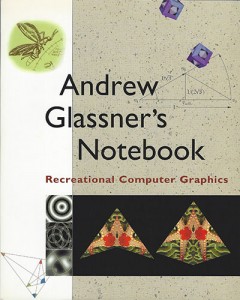
Andrew Glassner’s
Notebook

This book explores cool and fun applications of computer graphics to a wide variety of topics. The book collects and expands upon the first three years of my columns for IEEE Computer Graphics & Applications.
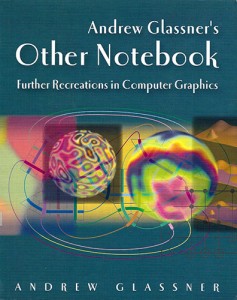
Andrew Glassner’s
Other Notebook

This is my second collection of columns, expanding on the originals published in IEEE Computer Graphics & Applications
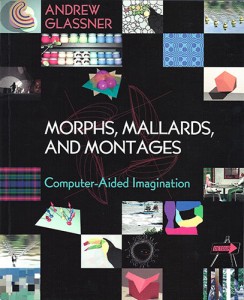
Morphs, Mallards, and Montages

This is my third collection of updated and revised versions of my columns for IEEE Computer Graphics & Applications.

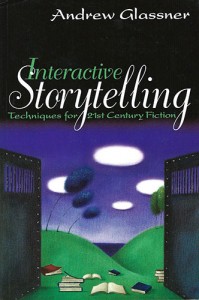
Interactive Storytelling

The promise of an interactive, participatory form of fiction is very appealing. This book looks at what we know, what we’ve learned, and how to move forward to realize that dream.

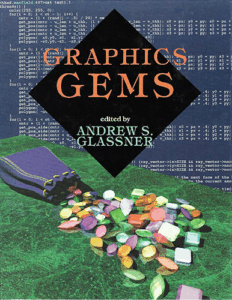
Graphics Gems

I originally conceived of Graphics Gems as a “little pocket reference.” The book went on to be a huge success, spawning a series of five books, and lots of similar series in other fields.
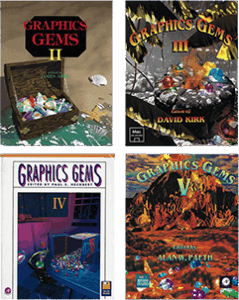
Graphics Gems Series

The first Graphics Gems book was a big hit, so we decided to do another. And then another. We eventually made five books in the series. Later, I founded The Journal of Computer Graphics Techniques to carry on the traditional for slightly larger ideas.
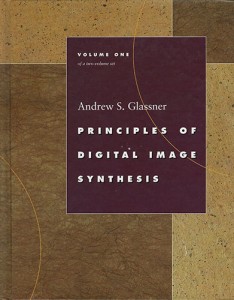
Cover of Volume 1 of Principles of Digital Image Synthesis by Andrew Glassner

Principles of
Digital Image Synthesis
Volume 1

The theory of rendering in computer graphics is woven together from three fields: human perception, digital signal processing, and the physics of light. This book unites them in a unified theoretical and practical framework.

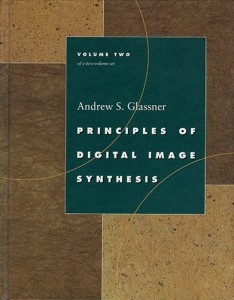
Cover of Volume 2 of Principles of Digital Image Synthesis by Andrew Glassner

Principles of
Digital Image Synthesis
Volume 2

It took me 4 years to write PoDIS, as it’s now known. By the time I was done, it was too big for one book, so my wonderful publisher printed it as two volumes.

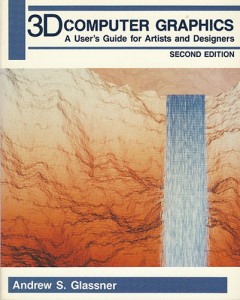
3D Computer Graphics

My second book was a top-to-bottom rewrite of my first. The book was very popular in its day, used in many design and art classes

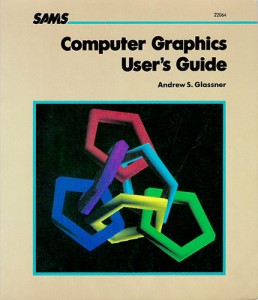
Computer Graphics
User’s Guide

My first book! In 1984 I wrote a book on 3D computer graphics for artists, describing the nuts and bolts of making computer graphics without going into math or programming.